

Quick answer
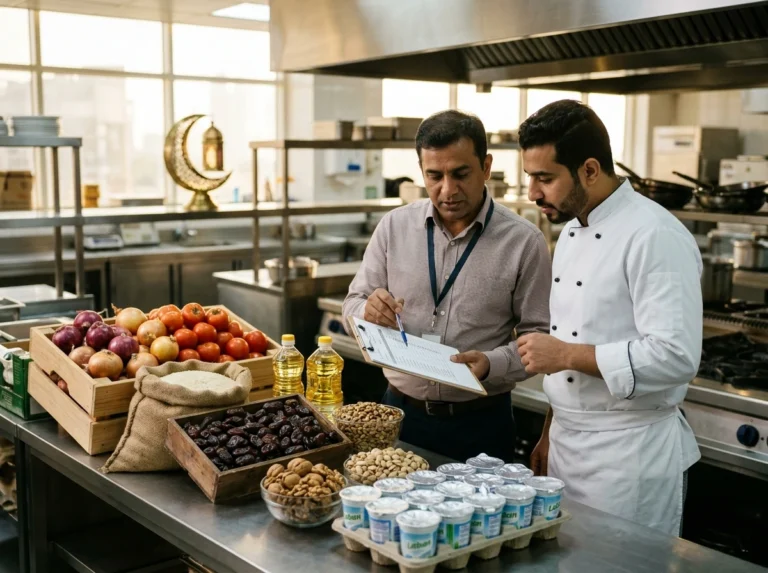
To import food products into the UAE, you need a trade licence with a food trading activity and an approved storage facility. You must register as a food importer with the food authority of the emirate where goods arrive, such as Dubai Municipality, and register each product, which now happens once for all emirates through the federal ZAD system. Labels must follow UAE.S GSO 9:2019, with the mandatory information in Arabic and dates printed on the original pack. Each shipment needs a pre-arrival import request, the right certificates (health, origin, free sale and halal where required), and a pass at port inspection and sampling before it is released.
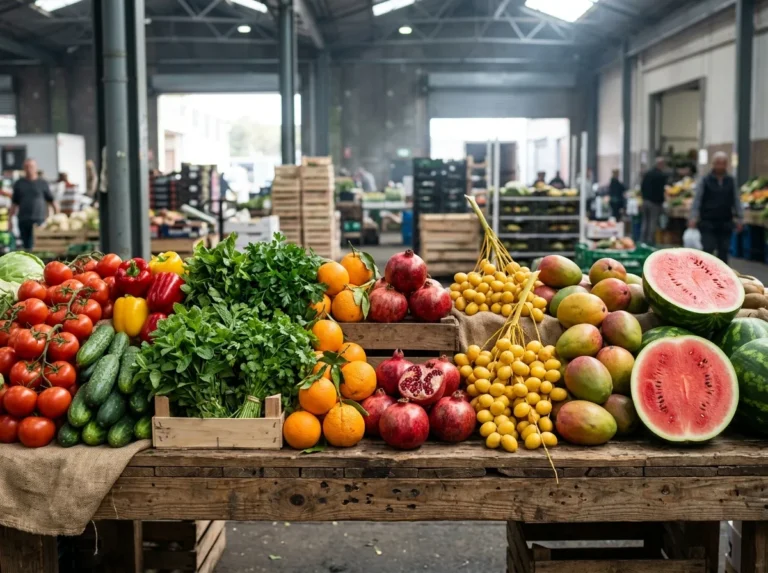
The UAE imports most of the food it eats, and Dubai is one of the busiest food trading hubs in the world. For a new importer, though, the process can feel like a maze of portals, certificates and label rules. A shipment that arrives with one missing certificate or a wrongly placed date can sit at the port for weeks, or be rejected.
This guide is written by the team at Haider Ali Foodstuff Trading, a Dubai food trading company that handles food import and export from the Al Aweer Fruits & Vegetable Market. It explains the process step by step, in plain language. Rules change and differ by emirate and product type, so always confirm the current requirements with the food authority in the emirate where your goods will enter.
Key takeaways
- Get the company set up first: trade licence, food activity, approved warehouse and importer registration.
- Register every product before it is shipped. ZAD lets you register once for all seven emirates.
- Labels follow UAE.S GSO 9:2019. Mandatory information must be in Arabic, and dates must be printed on the original pack, not on a sticker.
- Meat needs a halal slaughter certificate, and any halal claim needs a certificate from an approved body.
- Submit the import request before the shipment arrives, and expect inspection and sampling at the port.
Who regulates food imports in the UAE
Food imports are controlled at two levels, and you will deal with both.
| Authority | Role in food imports |
|---|---|
| Ministry of Climate Change and Environment (MOCCAE) | Federal food safety policy and the ZAD federal food registration system |
| Ministry of Industry and Advanced Technology (MoIAT) | UAE standards, including labelling, shelf life and halal, and registration of halal certification bodies |
| Dubai Municipality, Food Safety Department | Importer registration, label assessment, consignment inspection and release in Dubai |
| Abu Dhabi Agriculture and Food Safety Authority (ADAFSA) | The same role in Abu Dhabi |
| Other emirates' municipalities | Consignment release in Sharjah, Ajman and the Northern Emirates |
| Customs (for example, Dubai Customs) | Customs declaration, duty and final release |
Food control release and customs release are separate decisions. A product can be registered and still be held at the port if the consignment documents or test results are not right.
Step 1: Set up your company to import food
- Trade licence: it must include a food trading or import activity that matches the products you plan to bring in.
- Storage facility: a warehouse or cold store that meets the food authority's requirements for the type of food, such as chilled, frozen or dry.
- Importer registration: register as a food importer with the food authority. In Dubai, this is done through Dubai Municipality's online food import services, which now sit on its integrated ZADI platform.
- Named contacts: decide who submits import requests, who answers the authority's questions and who can approve costs if a shipment is held.
Step 2: Check that your product is allowed
Before you agree anything with a supplier, check that the product and its ingredients can be imported. Some ingredients and additives are banned or restricted, pork and alcohol are tightly controlled, and authorities publish lists of banned or recalled items. According to the USDA's UAE import regulations report, an undeclared ingredient or additive found in testing leads to the shipment being rejected.
Step 3: Register each product
Every food product sold in the UAE must be registered before it is put on the market. The federal ZAD system, launched by MOCCAE with Dubai Municipality, lets you register a product once and have it recognised across all seven emirates, instead of registering separately in each one. As Gulf News reported at its launch, it also stops lab tests being repeated when goods move between emirates.
For registration you usually provide:
- Clear photos or artwork of the full label and packaging
- Product details, such as ingredients, net weight, barcode, brand and country of origin
- A certificate from the exporting country's competent authority, where required
- Samples for laboratory testing for new products. In Dubai these go to the Dubai Central Laboratory, and results can take up to five working days.
Changing the brand name, net weight, barcode, country of origin or recipe usually means registering the product again. A new label design needs a new label assessment.
Step 4: Get the label right
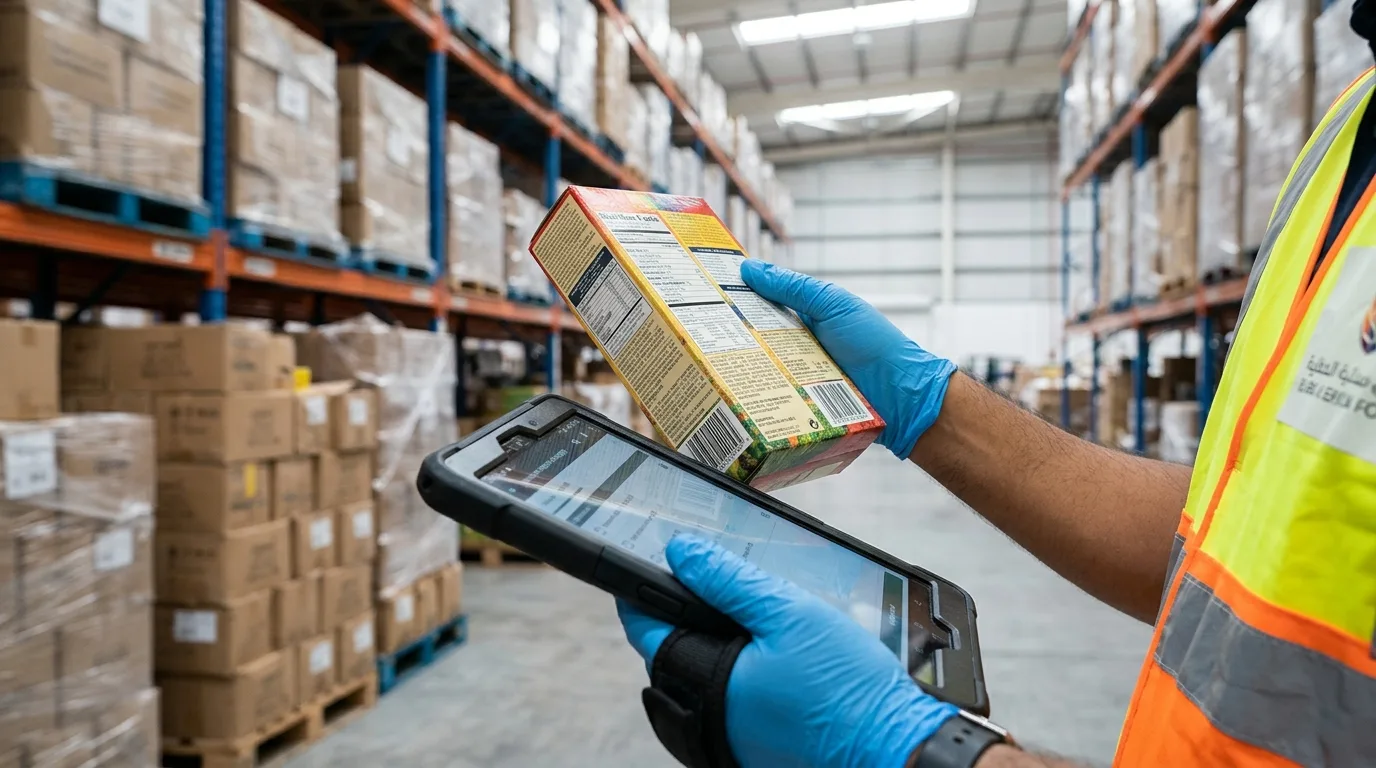
Labels are the most common reason imported food is held or rejected. The main standard is UAE.S GSO 9:2019, Labeling of Prepackaged Food Stuffs. A compliant label normally shows:
- Product name and brand
- Full ingredient list in descending order, with allergens highlighted
- Net weight or volume
- Production and expiry dates
- Storage conditions and instructions for use
- Name and address of the manufacturer or packer
- Country of origin, named as a specific country
- Lot or batch number and barcode
- Nutrition information where required
Arabic: mandatory information must appear in Arabic, and any other language must match it. Arabic translation stickers are allowed if they are approved, applied as a single sticker before export and hard to remove.
Dates: production and expiry dates must be printed on the original label or primary packaging. Dates printed only on a sticker are not accepted. For a shelf life of three months or less, use day, month and year. For longer shelf lives, day/month/year or month/year is allowed.
Never cover required information with a sticker, and never use a sticker to change a date. Both are treated as serious violations.
Step 5: Check shelf life
The UAE sets expiry periods for many foods in UAE.S 150-1 (mandatory expiry periods) and UAE.S 150-2 (voluntary expiry periods for products not covered by part 1). Check which applies to your product before you agree production dates with the supplier.
Shelf life also matters commercially. Shipping, clearance and distribution take time, and UAE buyers usually refuse stock that arrives too close to expiry. Agree the maximum age of stock at shipment with your supplier, and record it in the purchase order. For chilled meat, see our guide to fresh, chilled and frozen meat, which covers the 120-day limit for chilled vacuum-packed beef.
Step 6: Halal certificates
- Meat and poultry need an original halal slaughter certificate from a certification body accepted by the UAE, with details such as slaughter, production and expiry dates.
- Any halal claim or logo on a product needs a halal certificate from an approved body. Certification bodies must be registered with MoIAT, so check that your supplier's certifier is on the approved list.
- Halal marks: the UAE does not accept other countries' halal marks. If you show a mark, it must be the UAE halal logo.
Step 7: Prepare the documents for each shipment
The exact list depends on the product, the origin and the emirate, but most food shipments need:
| Document | When it is needed |
|---|---|
| Commercial invoice and packing list | Every shipment |
| Bill of lading or air waybill | Every shipment |
| Certificate of origin | Every shipment |
| Health certificate from the exporting country's authority, stating the food is fit for human consumption | Meat, fish, eggs, dairy and other animal products, and some plant products |
| Certificate of free sale | Processed and packaged foods |
| Halal slaughter certificate | Meat and poultry |
| Halal certificate | Any product with a halal claim, and halal-sensitive ingredients |
| Phytosanitary certificate | Fresh fruit, vegetables and other plant products |
| Laboratory analysis certificate | When the authority or product type requires it |
Keep a checklist for each product line, and mark every document as required, conditional or not applicable before the shipment leaves the origin port.
Planning your first food import?
We handle sourcing, logistics, customs clearance and food safety compliance for food imports into the UAE. Tell us the product, origin and volume.
Step 8: Import request, inspection and release
- Submit the import request before arrival. File the consignment details through the food authority's system, matching the registered products and the shipping documents.
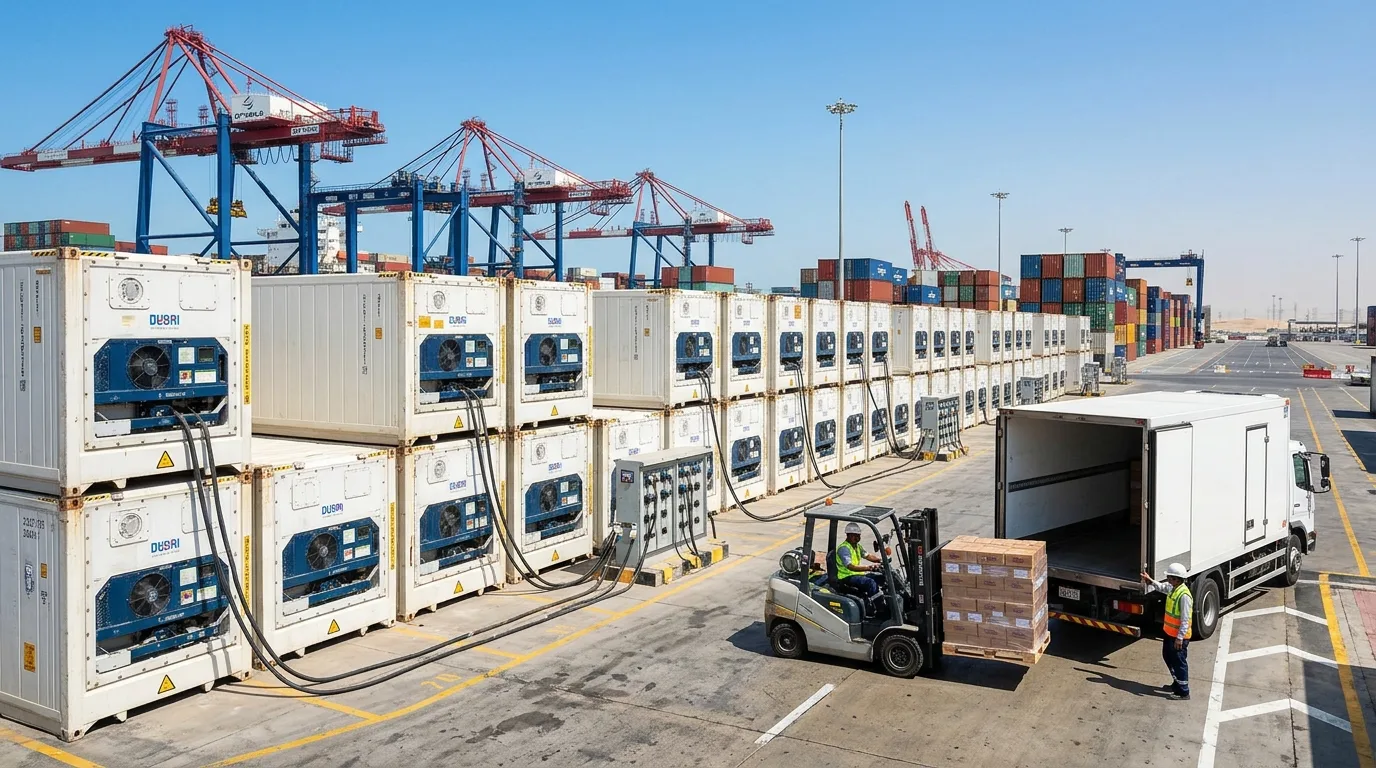
- Inspection at the port. Inspectors check that the goods, labels and documents match what was filed, and that chilled and frozen goods are at the right temperature.
- Sampling and testing. New products, and products chosen by risk, are sampled and tested. In Dubai, testing is done at the Dubai Central Laboratory.
- Release or detention. If everything passes, the food authority releases the consignment and you pay customs duty and VAT where they apply. If not, the shipment is held or rejected, and you are told through the system and can appeal.
- Transfer to your warehouse. Move chilled and frozen goods straight into cold storage. Goods moving to another emirate may face that emirate's transfer checks.
Common reasons food shipments are held or rejected
Labels and products
- No Arabic, or Arabic that does not match the original
- Dates on a sticker, or missing from the inner pack
- Ingredients or additives not declared on the label
- Banned ingredients or unapproved halal marks
- Product changed since it was registered
Documents and handling
- Missing or unsigned health or halal certificate
- Details on certificates that do not match the invoice
- Short remaining shelf life
- Chilled or frozen goods out of temperature
- Import request filed late or with errors
Import yourself or use a food trading partner?
If you import the same products regularly and in volume, setting up your own import process can pay off. For a first shipment, a trial product or occasional orders, working with an established food importer is usually faster and lower risk: they already have the licence, registrations, storage and relationships with the authorities.
Our food import and export service covers supplier sourcing, logistics, customs clearance and food safety compliance, with delivery to your warehouse, store or kitchen. If you would rather buy imported products already cleared and in stock in Dubai, our wholesale food trading and canned and preserved food services supply them by the carton. Our guide to choosing a wholesale food supplier explains what to check.
Frequently asked questions
Do I need a licence to import food into the UAE?
Yes. You need a trade licence that includes a food trading or import activity, a storage facility that meets the food authority's requirements, and registration as a food importer with the food authority in the emirate where your goods arrive, such as Dubai Municipality.
What is ZAD in the UAE?
ZAD is the UAE's federal food registration system, launched by the Ministry of Climate Change and Environment with Dubai Municipality. It lets importers register a food product once for all seven emirates, instead of registering it separately in each one.
Does imported food need an Arabic label in the UAE?
Yes. The mandatory label information must be in Arabic under UAE.S GSO 9:2019, and other languages must match it. An approved Arabic sticker can be used, but production and expiry dates must be printed on the original pack, not on the sticker.
What documents are needed to import food into Dubai?
Most shipments need a commercial invoice, packing list, bill of lading or air waybill and certificate of origin. Depending on the product, you also need a health certificate, certificate of free sale, phytosanitary certificate, halal slaughter certificate or halal certificate, and sometimes a laboratory analysis certificate.
Is a halal certificate required for imported food in the UAE?
Meat and poultry need a halal slaughter certificate, and any product that claims to be halal needs a certificate from a certification body accepted by the UAE and registered with MoIAT. Only the UAE halal logo can be used as a halal mark.
How long does food import clearance take in Dubai?
It depends on the product and whether everything is in order. Registered products with complete documents can clear quickly, while new products need laboratory testing, which can take up to five working days in Dubai. Missing documents or label problems cause the longest delays.
Import food into the UAE with one partner
Haider Ali Foodstuff Trading manages sourcing, shipping, customs clearance and compliance for food imports, and delivers across the UAE from our base in Dubai.
Sources
- USDA Foreign Agricultural Service, UAE Food and Agricultural Import Regulations and Standards (FAIRS) Country Report (2023): labelling, shelf life, halal, registration, documents and inspection.
- Gulf News, Food safety gets boost thanks to new federal portal: the ZAD federal food registration system.
- Ministry of Industry and Advanced Technology, Registration of Halal Certification Bodies.
- Canadian Food Inspection Agency, UAE export requirements for meat and poultry products: halal slaughter certificates and meat labelling.